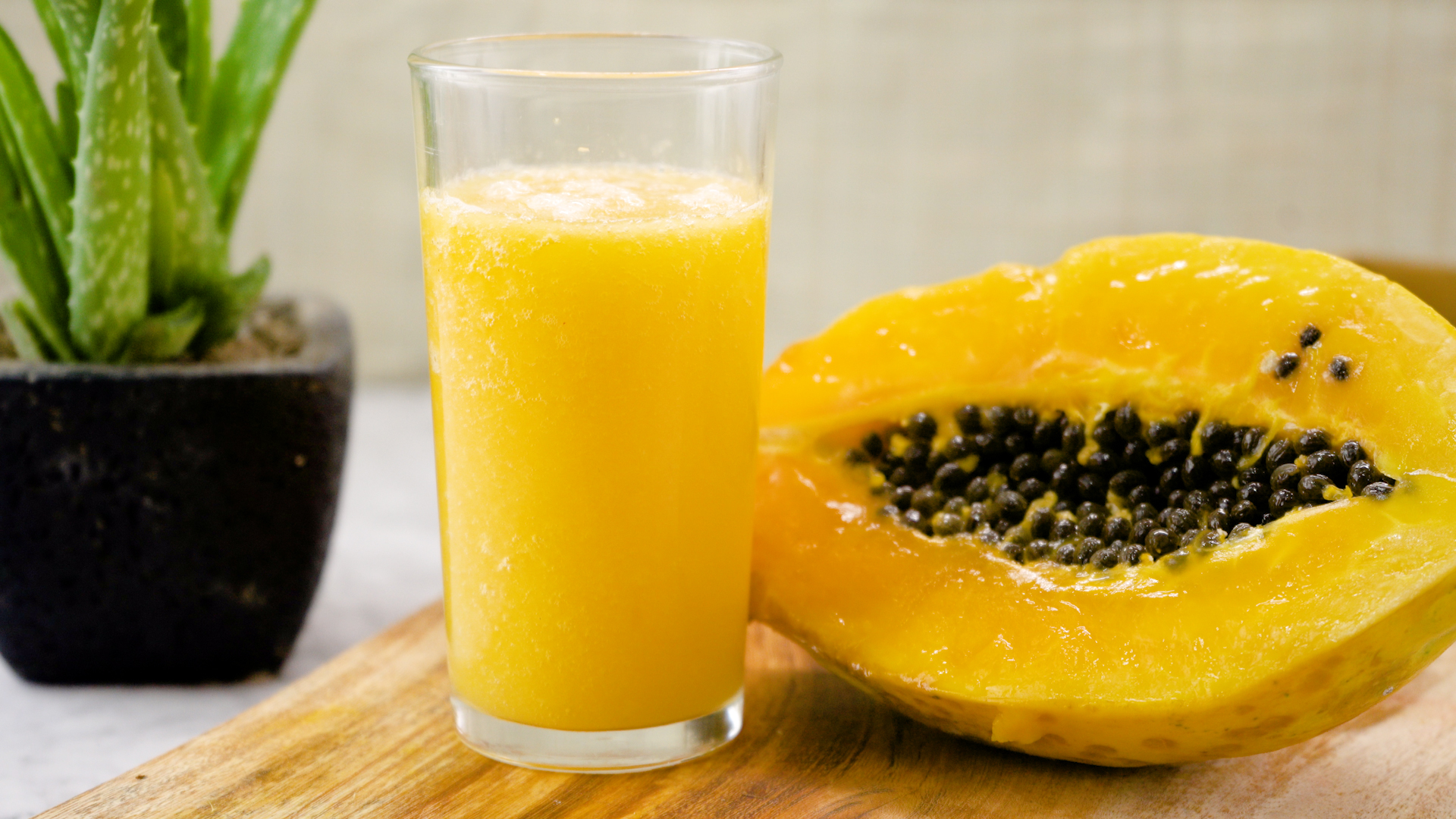
Make Aloe Vera Juice at Home: Easy Steps & Health Benefits
Aloe Vera, often hailed as a "miracle plant," has been revered for its potent medicinal properties for thousands of years. From ancient Egyptian remedies to modern-day wellness trends, its ability to heal, soothe, and nourish is undeniable. While the market is flooded with commercial aloe vera juices, many health-conscious individuals are seeking a purer, more cost-effective alternative. If you've ever found yourself wondering how to make aloe vera juice at home, you're in for a delightful surprise. Not only is it a straightforward process, but it also allows you to harness the full, unadulterated power of this incredible plant.
Making fresh, homemade aloe vera juice can be a lot easier and more rewarding than you might think. With just a few simple steps and a commitment to proper preparation, you can unlock a world of health benefits and enjoy a clean, refreshing drink that tastes far superior to many store-bought options. This comprehensive guide will walk you through everything you need to know, ensuring your homemade aloe vera juice is both delicious and safe.
Why Embrace Homemade Aloe Vera Juice? Unlocking its Potential
The allure of aloe vera juice extends far beyond its refreshing taste. Packed with vitamins, minerals, enzymes, and amino acids, it's a powerhouse of nutrition that can support your overall well-being. Here's why making your own stands out:
- Budget-Friendly: Commercial aloe vera juices, especially high-quality organic ones, can be quite expensive. Growing your own plant and making juice at home significantly cuts down on costs in the long run.
- Purity and Freshness: When you make it yourself, you control every ingredient. There are no added sugars, artificial flavors, preservatives, or questionable processing methods. You get the freshest possible juice, ensuring maximum potency of its beneficial compounds. For more on crafting your own fresh and nutritious juice, check out Fresh & Nutritious: Craft Your Own Aloe Vera Juice Easily.
- Digestive Health: Aloe vera is renowned for its ability to support a healthy digestive system. It can help soothe an upset stomach, reduce inflammation, and promote regularity.
- Immune Boost: Rich in antioxidants and polysaccharides, aloe vera can help strengthen your immune system, making your body more resilient against illnesses.
- Skin and Hair Benefits: While topical application is common, drinking aloe vera juice can contribute to healthy skin from within, promoting a clearer complexion and potentially supporting hair growth.
- Detoxification: Its natural detoxifying properties can help cleanse the body, flushing out toxins and promoting better organ function.
Essential Preparation: Selecting Your Aloe Leaf and Gathering Tools
The journey to mastering how to make aloe vera juice begins with the right leaf and the right equipment. Proper selection and preparation are crucial for both safety and taste.
Choosing the Right Aloe Vera Leaf
Not all aloe leaves are created equal for juicing. To ensure a good yield of clear gel and an easier processing experience, look for:
- Maturity: Opt for thick, mature outer leaves. These are typically larger, heavier for their size, and contain more gel than younger, skinnier leaves.
- Health: Choose a leaf from a healthy, established aloe vera plant that has not been recently watered (this can dilute the gel).
- Harvesting: Using a clean, sharp knife, cut the leaf as close to the base of the plant as possible. This ensures you get the maximum amount of gel. After cutting, rinse the entire leaf under cool running water and pat it dry with a clean cloth.
Understanding the Aloe Leaf Structure – And the Crucial Safety Warning
Before you start cutting, it's vital to understand the three main layers of an aloe vera leaf:
- Tough Green Skin (Rind): The outermost protective layer.
- Yellow Sap Layer (Latex/Aloin): Located just beneath the skin, this sticky yellow liquid is the part you absolutely want to avoid in your juice. Aloe latex contains aloin, which can be bitter and act as a strong stimulant laxative, potentially causing cramps and diarrhea. The NIH's National Center for Complementary and Integrative Health (NCCIH) has even highlighted reports of liver injury tied to certain oral aloe products containing latex.
- Clear Inner Gel: This is the prized, nutrient-rich part you want for your juice.
The goal is simple: isolate the clear inner gel and completely eliminate any trace of the yellow latex. This meticulous "wash and fillet" step is paramount for a clean, mild-tasting, and safe drink. For a deeper dive into safe preparation, see Clean & Safe: How to Make Aloe Vera Juice Without Bitter Sap.
Tools You'll Need
Gathering your tools beforehand will make the process smooth and efficient:
- Sharp Knife: A good quality, sharp knife (preferably stainless steel) for precise cutting.
- Cutting Board: A stable, non-slip cutting board.
- Tall Glass or Bowl: For draining the yellow latex.
- Clean Bowl: To collect the clear aloe vera gel.
- Blender: A standard kitchen blender.
- Fine-Mesh Strainer (Optional but Recommended): For an extra smooth, pulp-free juice.
- Storage Jar/Bottle: A clean, airtight container with a lid for your finished juice.
Step-by-Step Guide: How to Make Aloe Vera Juice Safely
Now that you're prepped, let's dive into the practical steps for creating your revitalizing homemade aloe vera juice.
Step 1: Drain the Latex – The Essential First Move
This is arguably the most critical step to ensure your juice is palatable and safe. Immediately after cutting, you might notice a yellow liquid beading up along the severed edge of the leaf. This is the bitter aloe latex.
- Stand Upright: Place the cut leaf upright in a tall glass or bowl, cut-side down.
- Drain Time: Allow it to drain for at least 10 to 20 minutes. You'll see the yellow sap collect at the bottom of the glass.
- Rinse Again: After draining, rinse the cut edge of the leaf thoroughly under cool, running water to wash away any remaining surface sap.
Step 2: Filleting the Leaf and Extracting the Clear Gel
With the latex mostly drained, it's time to carefully extract the precious clear gel.
- Trim the Spines: Lay the leaf flat on your cutting board. Using your sharp knife, carefully slice off the spiky, serrated edges along both sides of the leaf. This creates a stable, rectangular piece to work with.
- Peel the Rind: Now, working from one end, carefully slide your knife just under the green rind, separating it from the clear gel. Use a gentle, sweeping motion to peel back the green skin. Repeat this on the other side. The goal is to expose the clear, translucent inner gel without scraping any residual yellow latex onto it. If you see any yellow streaks, rinse the gel piece under cool water.
- Harvest the Gel: Once both sides of the rind are removed, you'll be left with a slab of clear aloe vera gel. You can now use a spoon to scoop the gel into your clean bowl. Aim for about two tablespoons of clear gel per serving, or more depending on your desired concentration.
Step 3: Blending Your Nourishing Elixir
Once you have your clean aloe gel, it's time to transform it into a drinkable juice.
- Transfer to Blender: Place the harvested clear aloe vera gel into your blender as soon as possible to maintain freshness.
- Add Your Liquid: This is where you can customize your juice.
- For a purer, milder aloe taste, add cold filtered water. A good starting ratio is about 2 tablespoons of aloe gel to 1 cup (240ml) of water.
- For a more palatable and nutrient-rich drink, add fruit juice. Popular choices include apple juice, orange juice, grapefruit juice, pineapple juice, or even coconut water.
- Blend Until Smooth: Secure the blender lid and blend on high until the liquid has a smooth, consistent appearance. There should be no visible chunks of gel.
- Strain (Optional): If you prefer an exceptionally smooth, pulp-free juice, pour the blended mixture through a fine-mesh strainer into a glass or storage container.
Step 4: Serve and Savor
That's it! You now have a glass of healthy, nutritious, and delicious homemade aloe vera juice. Pour it into a glass, perhaps over ice, and enjoy its refreshing properties immediately.
Tips for Optimal Taste, Storage, and Safety
To enhance your homemade aloe vera juice experience, consider these additional tips:
- Flavor Boosters:
- A squeeze of fresh lemon or lime juice not only adds a zesty flavor but also provides extra vitamin C.
- Add a small piece of fresh ginger for a spicy kick and additional digestive benefits.
- A few mint leaves can offer a refreshing aroma and taste.
- Sweeten naturally with a teaspoon of raw honey, agave nectar, or a few drops of stevia if you find the taste too earthy.
- Blend with other fruits like berries, cucumber, or spinach for a nutrient-dense smoothie.
- Storage:
- Homemade aloe vera juice is best consumed fresh. Store any leftovers in an airtight container in the refrigerator and drink within 24-48 hours to maintain its potency and prevent spoilage.
- For longer storage, you can freeze the pure aloe vera gel (before blending) in ice cube trays. Once frozen, transfer the cubes to a freezer-safe bag. These can be stored for up to a month and added directly to your blender for a quick juice later.
- Safety Reminders:
- Always, always prioritize the complete removal of the yellow latex. Its bitter taste is a natural indicator that you need to be more thorough.
- Ensure all your tools and hands are clean throughout the process.
- While aloe vera juice is generally safe for most adults when prepared correctly, it's always wise to consult your doctor before incorporating new supplements into your diet, especially if you have underlying health conditions, are pregnant or nursing, or are taking medications. Aloe vera can interact with certain drugs.
- Start with small quantities of juice to see how your body reacts.
Conclusion
Learning how to make aloe vera juice at home is a simple yet incredibly rewarding endeavor. By following these easy steps, you not only save money but also gain complete control over the purity and freshness of your drink. From supporting digestive health and boosting immunity to potentially enhancing skin health, the benefits of this ancient elixir are vast and compelling. So, grab a mature aloe leaf, arm yourself with a sharp knife, and embark on your journey to crafting a truly fresh, nutritious, and delicious glass of homemade aloe vera juice. Your body will thank you!
