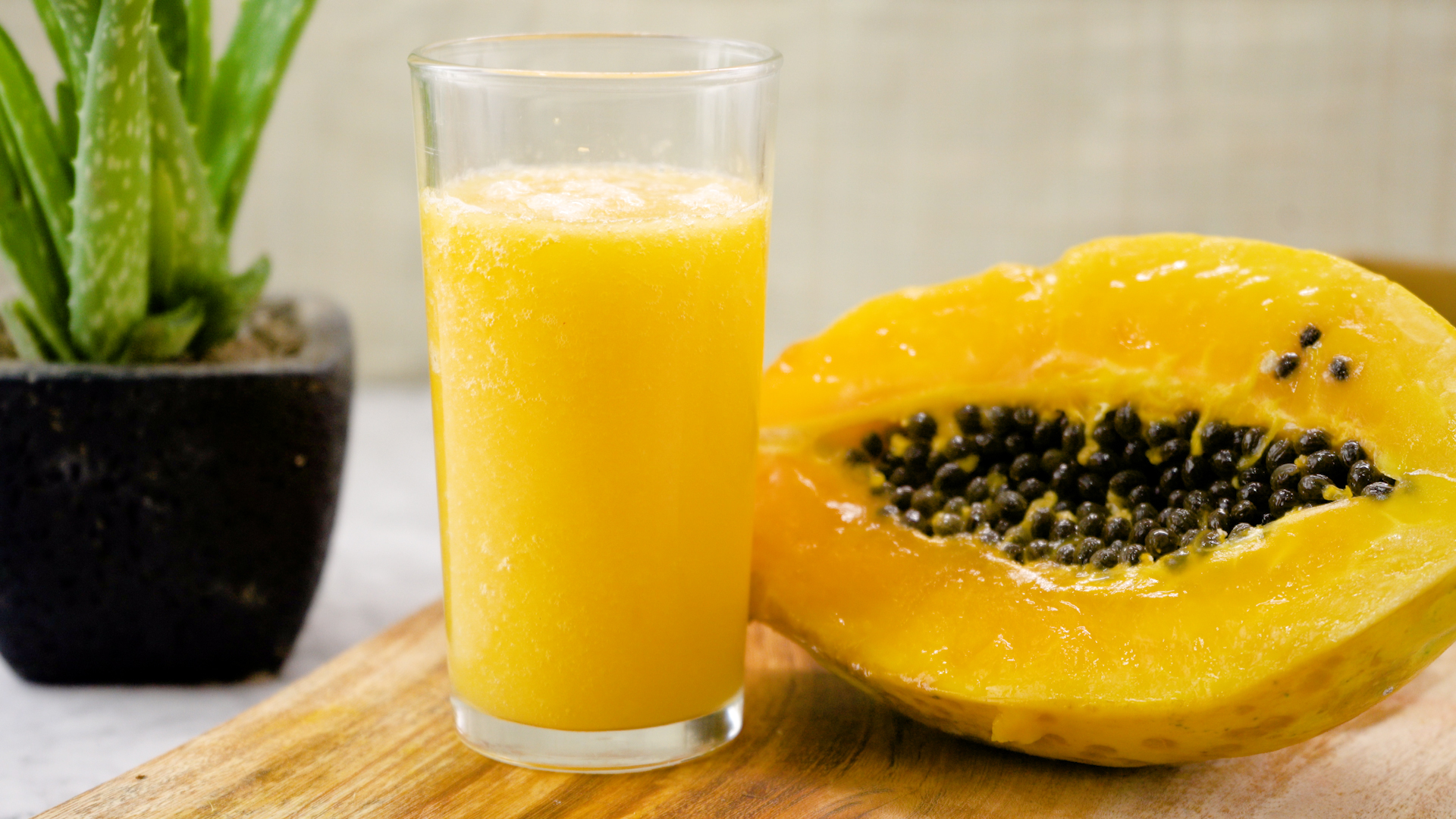
Fresh & Nutritious: Craft Your Own Aloe Vera Juice Easily
Aloe Vera, often hailed as one of nature's most remarkable gifts, has graced medicinal and wellness practices for millennia. From soothing sunburns to supporting digestive health, its versatility is legendary. While countless store-bought aloe vera juice options exist, many health-conscious individuals are now discovering the profound satisfaction and numerous benefits of learning
how to make aloe vera juice right in their own kitchens. Not only is crafting your own fresh juice incredibly empowering, but it's also a surprisingly simple and budget-friendly endeavor that allows you to control every ingredient, ensuring purity and freshness.
If you’ve ever wondered about tapping into this ancient plant’s goodness without breaking the bank or compromising on quality, you've come to the perfect place. We'll guide you through a comprehensive, step-by-step process, transforming a humble aloe leaf into a vibrant, health-boosting elixir. Get ready to unlock the secrets to a truly clean, mild, and safe homemade aloe vera juice experience that you’ll likely want to make a regular part of your wellness routine. For more detailed insights into the process and benefits, explore our guide on
Make Aloe Vera Juice at Home: Easy Steps & Health Benefits.
Why Embrace Homemade Aloe Vera Juice?
The allure of drinking aloe vera juice extends far beyond its refreshing taste. Packed with vitamins, minerals, enzymes, and amino acids, aloe vera is a nutritional powerhouse. Making it yourself offers several distinct advantages:
*
Unmatched Freshness: Store-bought juices, even the best ones, undergo processing that can diminish some of aloe's delicate compounds. Homemade ensures you're getting the plant's full, vibrant potency.
*
Cost-Effectiveness: A single mature aloe leaf can yield multiple servings of juice, making it significantly more economical than purchasing pre-bottled versions regularly. This budget-friendly approach makes consistent consumption more accessible.
*
Purity Control: By making it at home, you dictate what goes into your juice. You can avoid artificial flavors, preservatives, added sugars, or any unwanted additives, ensuring a truly clean and natural drink. This is especially important for those with dietary sensitivities or preferences.
*
Tailored to Your Taste: While aloe vera gel has a relatively neutral taste, some find its natural flavor a bit earthy. Crafting it yourself allows you to blend it with your favorite fruits, juices, or natural sweeteners, creating a personalized beverage that you genuinely enjoy.
Understanding the Aloe Leaf: Safety First!
Before we dive into the blending, it’s absolutely crucial to understand the anatomy of an aloe vera leaf and, more importantly, how to prepare it safely for consumption. An aloe vera leaf has three main layers:
1.
The Tough Green Skin (Rind): This is the outermost protective layer.
2.
The Yellow Sap Layer (Latex): This thin, yellowish layer sits directly beneath the green skin and above the clear inner gel. This is the critical component we need to carefully remove.
3.
The Clear Inner Gel: This is the prized, nutrient-rich part of the plant that you want for your juice.
The yellow sap, also known as aloe latex, contains compounds like aloin which can be quite bitter and act as a strong stimulant laxative. Health authorities, including the NIH’s National Center for Complementary and Integrative Health (NCCIH), note that oral consumption of aloe latex can cause cramps and diarrhea, and there have been reports of liver injury tied to certain oral aloe products. Therefore, mastering the art of removing this bitter and potentially problematic latex is paramount for a clean, mild, and safe homemade juice. This "wash and fillet" step is non-negotiable, even if you’re using a leaf from your own thriving plant. For an in-depth look at this vital step, check out our article
Clean & Safe: How to Make Aloe Vera Juice Without Bitter Sap.
Step-by-Step Guide: Crafting Your Fresh Aloe Vera Juice
With the safety precautions clear, let’s get down to the practical steps of transforming an aloe leaf into a refreshing drink.
1. Select Your Aloe Leaf
Choose a thick, mature outer leaf from an established aloe vera plant. These leaves are typically heavier for their size and yield more gel. Avoid skinny or young leaves, as they contain less gel and are harder to fillet cleanly. Using a clean, sharp knife, cut the leaf as close to the base of the plant as possible.
2. Gather Your Tools
Having your equipment ready makes the process smooth:
- A sturdy cutting board (preferably one that won't slide)
- A very sharp knife (a fillet knife can be excellent here)
- A clean bowl for the harvested gel
- A blender
- A fine-mesh strainer (optional, for an extra smooth juice)
- A clean jar or bottle with a lid for storage
3. Drain the Yellow Sap (Aloe Latex)
This is perhaps the most crucial step for a palatable and safe juice.
- Immediately after cutting, rinse the entire leaf under cool running water and pat it dry.
- Stand the cut leaf upright in a tall glass or bowl, cut side down.
- Allow it to drain for 10 to 20 minutes. You’ll observe a yellowish liquid (the latex) beading up and dripping out. This initial draining helps remove a significant amount of the bitter sap.
- After draining, rinse the cut edge again under cool water.
4. Fillet the Leaf to Extract the Gel
This step requires a steady hand and a sharp knife.
- Lay the drained aloe leaf flat on your cutting board.
- Carefully slice off the spiky, serrated sides of the leaf in long strips. This creates a stable, rectangular base to work with.
- Now, carefully slide your sharp knife just under the green skin, starting from one end, to peel off the top layer of rind. Try to keep the blade close to the rind to minimize gel loss.
- Repeat this process for the bottom layer of rind. You should now be left with a piece of clear, translucent aloe vera gel. Any remaining yellow streaks should be carefully shaved off. If you notice any yellow sap smudges on the gel, gently scrape them away.
- You can also scoop the clear gel out with a spoon once the top rind is removed, leaving the bottom rind as a base.
- Place the clear gel pieces into your clean bowl.
5. Rinse the Gel Thoroughly
Even after careful filleting, there might be residual traces of latex on the gel.
- Place your harvested clear gel pieces in a colander or fine-mesh strainer.
- Rinse the gel under cool, running water for a minute or two, gently agitating the pieces with your hand. This helps wash away any final traces of the yellow sap, ensuring your juice is truly clean and free of bitterness.
6. Blend Your Juice
Now for the exciting part – turning gel into juice!
- Transfer the rinsed, clear aloe vera gel into your blender. For a typical medium-sized leaf yielding about 2 tablespoons of gel, you might start with 1/2 to 1 cup of liquid.
- Add your liquid of choice. Popular options include:
- Cold Water: For the purest aloe flavor.
- Citrus Juice: Lemon, lime, or orange juice not only add flavor but also provide Vitamin C and can help preserve the juice slightly.
- Fruit Juices: Apple, grapefruit, or pineapple juice are excellent choices for a sweeter, more palatable drink.
- Coconut Water: For added electrolytes and a tropical twist.
- Optional additions for enhanced flavor and nutrition: a small piece of fresh ginger, a few mint leaves, a splash of honey or maple syrup (if you prefer a sweeter drink).
- Blend on high until the mixture is completely smooth and uniform, with no gel chunks remaining. This usually takes 30-60 seconds.
- If desired, pour the blended juice through a fine-mesh strainer to catch any tiny pulp pieces, resulting in a silky-smooth drink.
Customizing Your Drink & Storage Tips
The beauty of homemade aloe vera juice lies in its adaptability.
- Flavor Enhancements: Don't limit yourself to just juice! Consider blending your aloe gel with spinach and a green apple for a powerful green smoothie, or with berries and a banana for a vibrant breakfast blend. A squeeze of fresh lime or a few slices of cucumber can also add a refreshing zing.
- Consistency: Adjust the amount of liquid to achieve your desired consistency – from a thick smoothie to a light, refreshing drink.
Once blended, your fresh aloe vera juice is best enjoyed immediately to maximize its nutritional value. However, you can store any leftover juice. Pour it into a clean, airtight glass jar or bottle and refrigerate it. For optimal freshness and safety, consume homemade aloe vera juice within 24-48 hours. Beyond this timeframe, the quality and potency may begin to degrade, and there's an increased risk of spoilage. Always give it a quick sniff and check for any signs of fermentation or discoloration before drinking if it's been stored for a while.
Crafting your own aloe vera juice is a rewarding journey into natural wellness. It’s a simple process that yields incredible benefits, giving you control over purity, freshness, and flavor. With these detailed steps, you’re now equipped to create a delicious and nutritious elixir that supports your health from the inside out. Enjoy the journey to a fresher, healthier you!